
What SEO Strategy actually means in 2026
"SEO strategy" is one of those phrases that gets thrown around so loosely it has almost lost meaning. But in practice, it is very specific: it is the set of decisions you make before you write a single word or build a single link — decisions about site structure, topical depth, content architecture, entity clarity, and how you signal credibility to both search engines and their increasingly AI-powered ranking systems. Most of those decisions get tested and validated through a structured SEO audit rather than guesswork.
The fundamentals have not changed as much as the headlines suggest — see IndexCraft's SEO evolution guide for the longer view on what actually shifted and what stayed constant. Google still rewards pages that comprehensively answer a query, demonstrate clear expertise, are well-organised and fast to load, and are trusted by other credible sources on the web. What has changed is the precision required. According to Semrush's State of Content Marketing Report 2025, websites with a documented, structured content strategy ranked in the top three positions 68% more often than those producing content reactively — a gap that has widened every year since 2022.
The thirteen guides in this hub cover every pillar of that strategy: the on-page decisions that establish relevance, the topical architecture that builds authority, the entity and schema signals that feed AI systems, the internal linking structure that distributes equity, the content hygiene work that prevents your existing archive from dragging down your best pages, and turning that same content into an actual lead source (the Glossary & Informational Pages Revenue Guide covers the definition and top-of-funnel pages that rank fine and convert at zero). The newest addition — the Conversion Rate Optimization Guide — tackles the step after all of that: getting more of the visitors you already have to buy, book or sign up, with tips for twelve business types and a testing approach that does not put your rankings at risk. If your content architecture runs on a headless CMS or generates pages programmatically at scale, the same strategic principles apply — just with different technical implementation paths.
13 In-Depth SEO Strategy Guides
Every guide built from direct implementation across live accounts — written as practitioner field notes, not vendor marketing. No tool recommendations appear here unless they have been used on real campaigns.

Conversion Rate Optimization (CRO): A Practical Guide — Turning the Visitors You Already Have Into Customers
CRO without the button-colour myths. Covers why published benchmarks disagree, how to find the leaks with research, the Core Web Vitals fixes that protect conversions, how to test without hurting SEO, how to win visitors who arrive from AI answers, and tips for twelve business types from ecommerce and SaaS to clinics and nonprofits.
Read the full guide →
B2B SEO: A Practical Guide — Getting Found by the People Who Sign the Contract
B2B SEO without the fluff. Covers how to reach the whole buying committee, how to pick keywords when search volumes are tiny, the Core Web Vitals targets that matter, how to get cited by AI assistants, and how to measure pipeline instead of traffic.
Read the full guide →
Glossary & Informational Pages: The Revenue Guide 2026
Most glossary and "what is X" pages rank fine and convert at zero — not a content-quality problem, a missing-conversion-path problem. Covers why these pages fail to convert, the internal linking bridge from glossary to pipeline, matching lead magnets to informational intent, DefinedTerm schema, and how to measure revenue that mostly shows up as an assisted conversion, not a last click.
Read the full guide →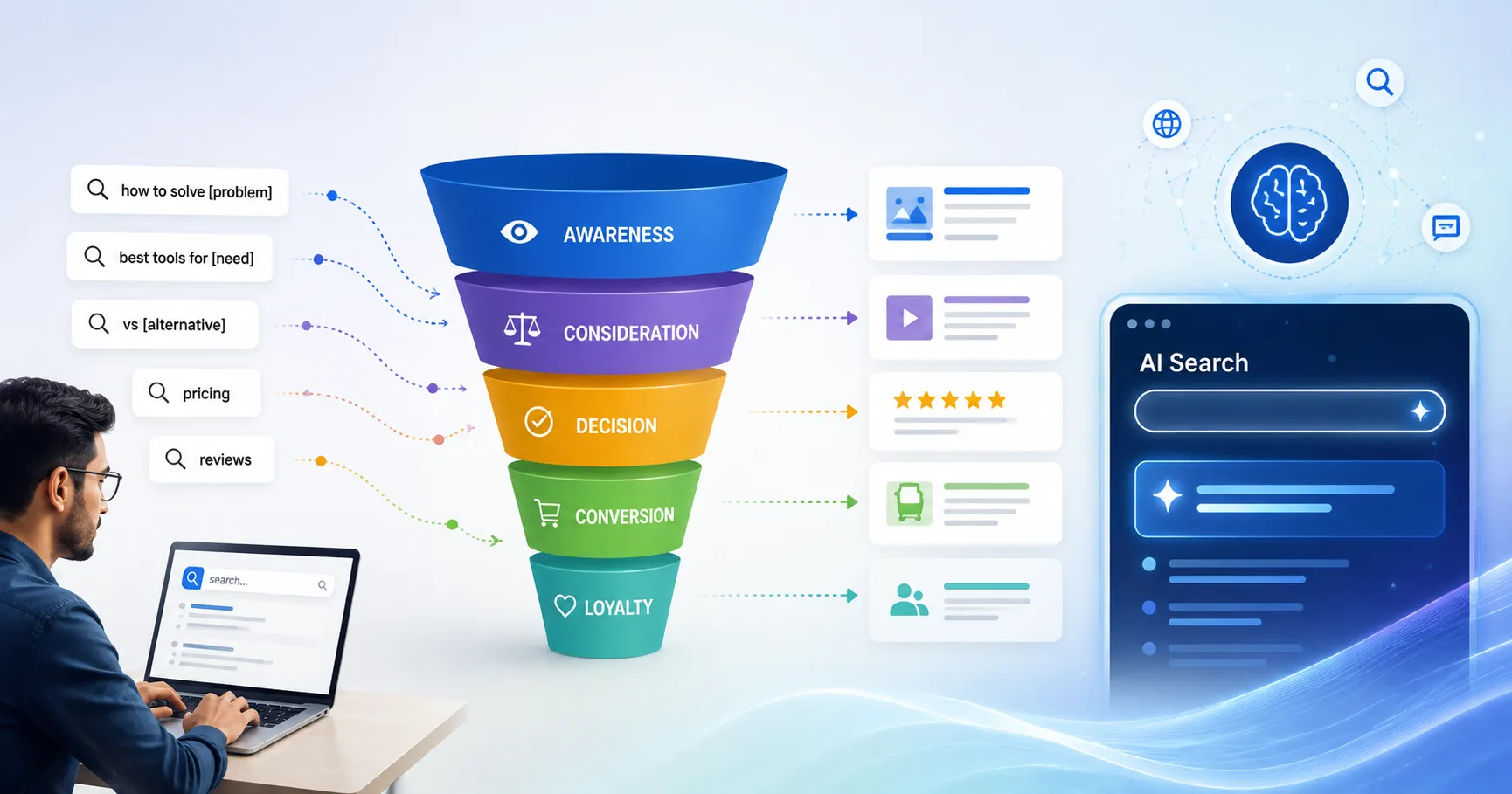
Customer Journey SEO 2026 — Map Acquisition Funnels to Search Intent & AI Search
The complete framework for aligning every SEO decision — keywords, content, internal links, CTAs — with the buyer's stage in the funnel. Covers TOFU, MOFU, and BOFU intent mapping, how AI Overviews are disrupting the awareness stage (and how to respond with GEO), GSC query segmentation, GA4 Funnel Exploration with data-driven attribution, and tailored strategies for B2B, SaaS, and e-commerce. Includes funnel signal charts, a GSC classification formula, and a 40-point optimisation checklist.
Read the full guide →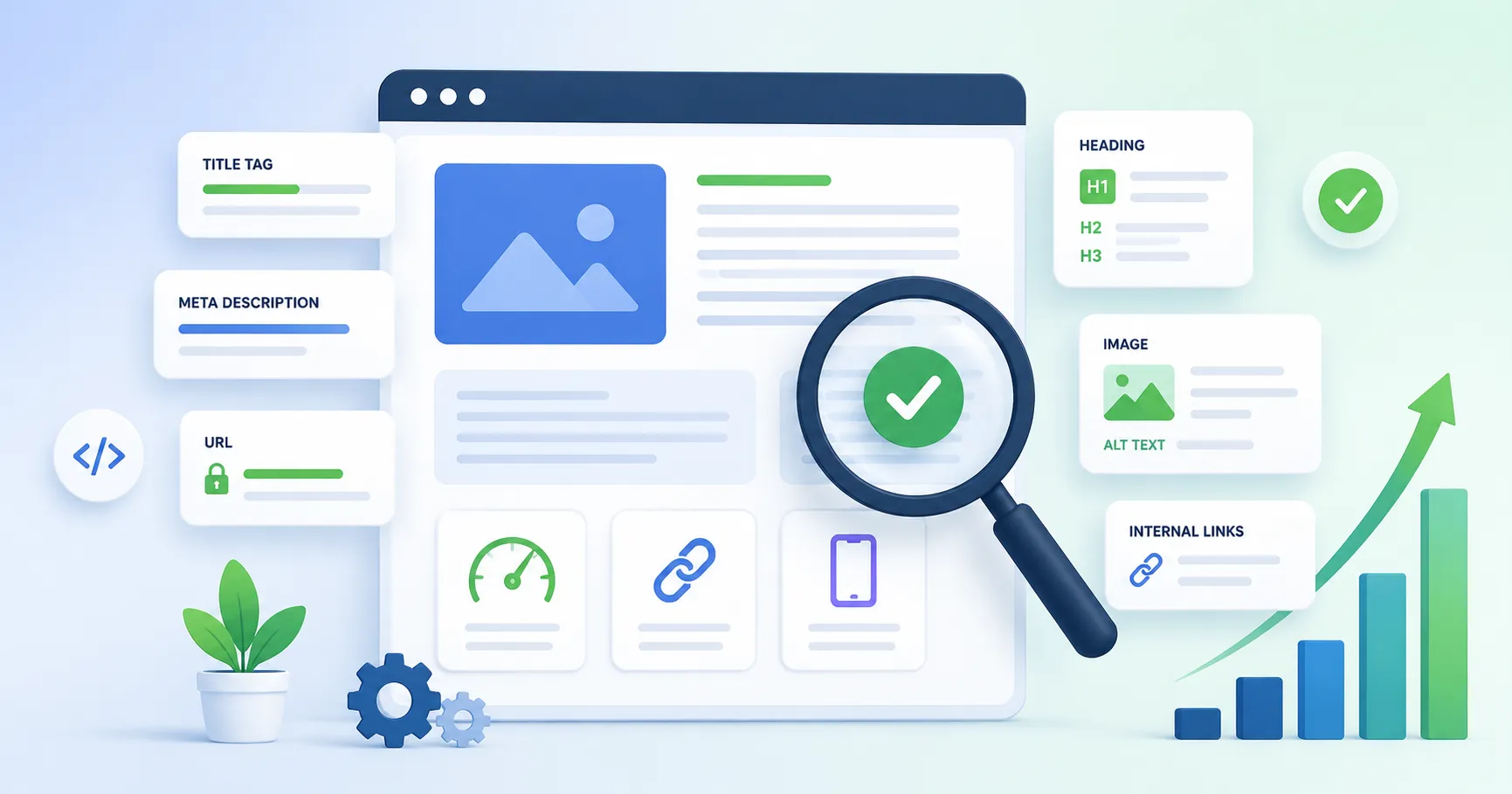
On-Page SEO Guide 2026 — The Strategic Foundation
Before you chase backlinks or build topic clusters, you need every individual page to do its job. Covers the on-page signals that still move rankings in 2026: title tag construction, heading hierarchy, semantic keyword placement, content depth benchmarking, and the internal signals that tell Google exactly what a page is about. The starting point for everything else in this hub.
Read the full guide →
E-E-A-T & Brand Authority: Building Trust at Scale
Google's E-E-A-T framework is no longer just a quality rater guideline — it is woven into how ranking systems evaluate your entire site. Covers author credibility signals, brand entity building, how off-site mentions contribute to E-E-A-T, and the practical steps to lift trust scores across a content portfolio.
Read the full guide →
Topical Authority & Pillar Pages: The Architecture of Ranking
Google does not rank individual pages in isolation — it evaluates your entire site's depth of coverage on a topic. Walks through how to design a pillar-and-cluster content architecture, identify topical gaps, and the specific internal linking patterns that signal comprehensive coverage and push cluster pages up the rankings together.
Read the full guide →
Schema Markup & Structured Data Guide 2026
Structured data is no longer just about rich snippets. In 2026, schema markup feeds AI Overviews, Perplexity citations, and ChatGPT Search directly. Covers the schema types that matter most — Article, FAQPage, HowTo, BreadcrumbList, Product, LocalBusiness — with implementation examples and validation checks.
Read the full guide →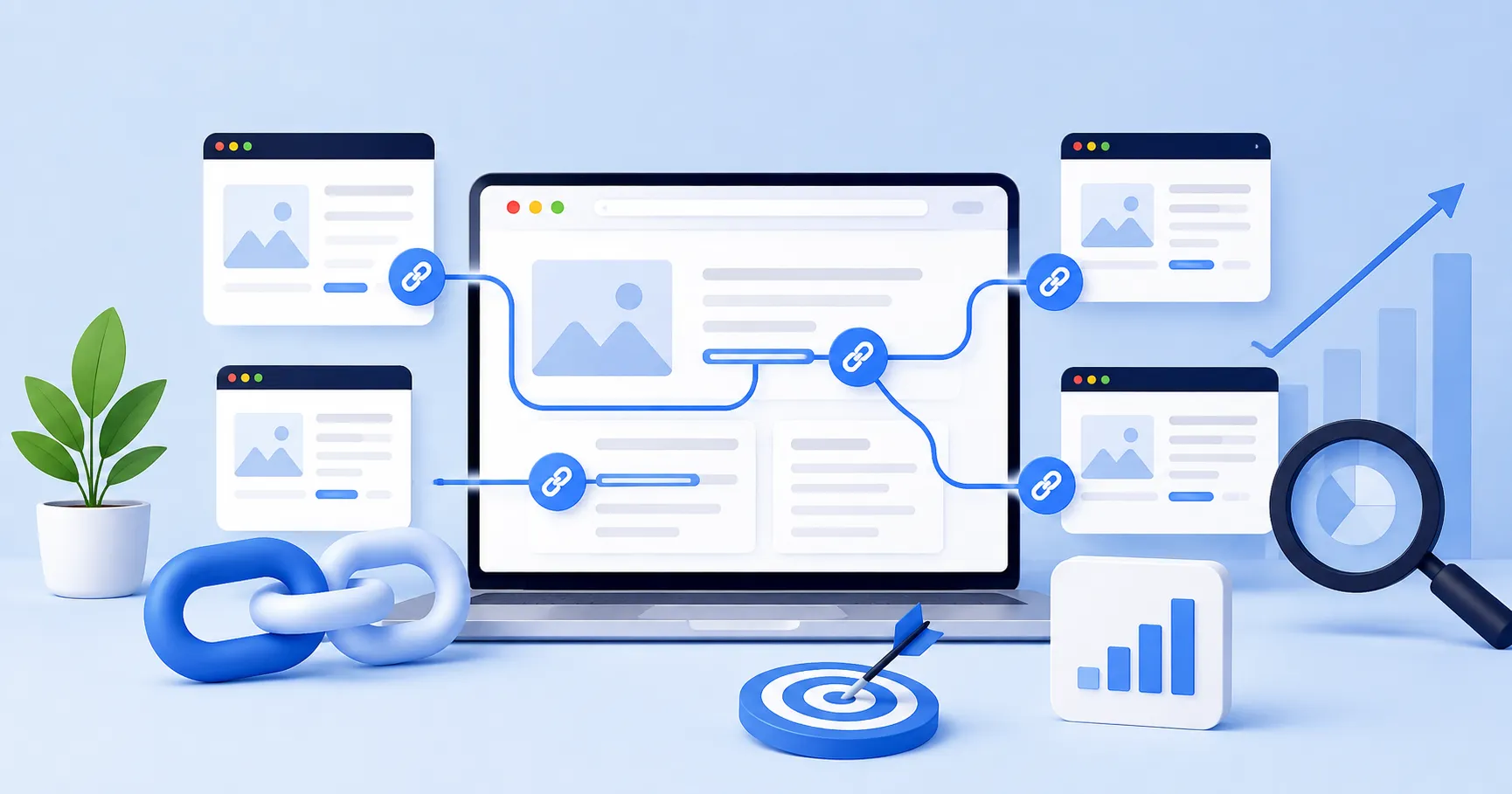
Internal Linking Strategy: Move Equity Where It Matters
Most sites leak link equity through poor internal architecture — orphan pages, over-linked nav items, and no deliberate flow from high-authority pages to pages that need a rankings push. Covers internal link auditing, anchor text strategy, equity distribution models, and the patterns used to lift underperforming pages without a single new backlink.
Read the full guide →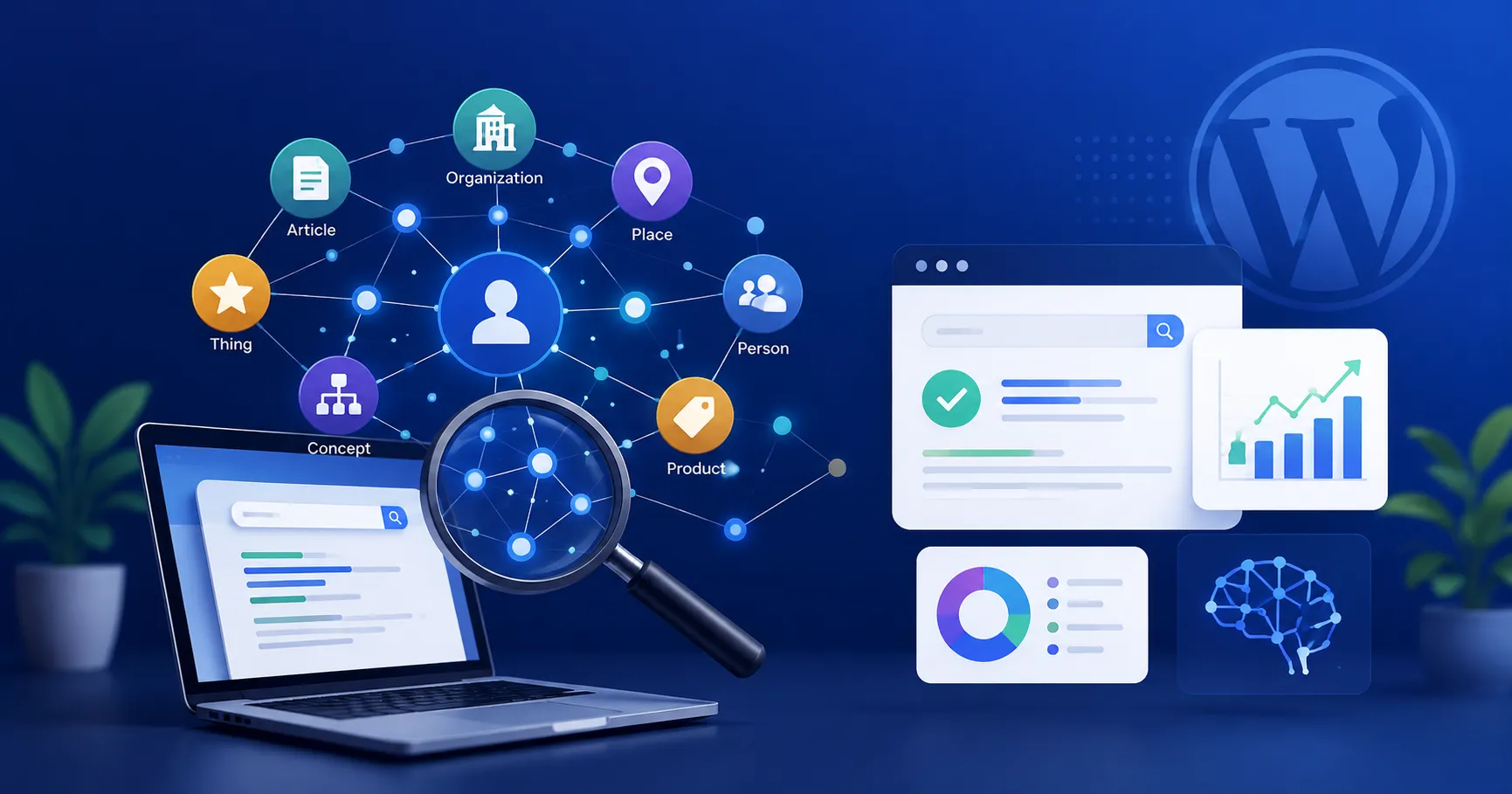
Semantic SEO & Entity Optimization Guide
Google's systems now interpret meaning, context, and entity relationships — not just keywords. Covers how to write for entity-based search: building co-occurrence signals, optimising for Knowledge Panel eligibility, leveraging related entities, and structuring content so NLP systems can correctly parse what your page is about.
Read the full guide →
Search Intent Optimization: Match What the SERP Expects
Targeting the right keyword on a page built for the wrong intent is one of the most common — and most avoidable — reasons pages fail to rank. Covers how to read intent signals from the SERP itself, match your content format and depth to what Google is already rewarding, and audit existing pages for intent misalignment.
Read the full guide →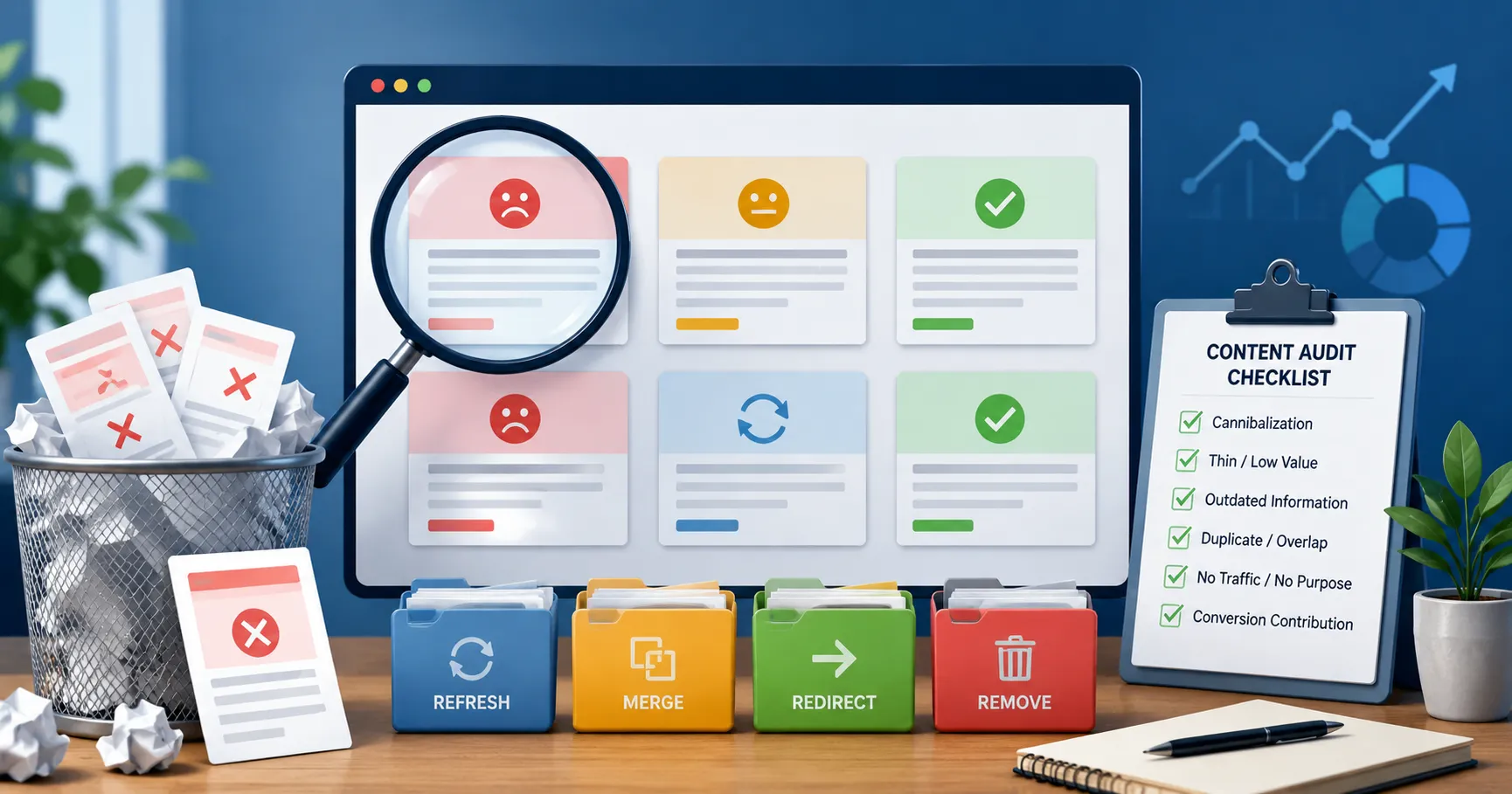
Content Pruning Guide: Cut, Consolidate, and Recover
More content is not always better. Thin pages, outdated posts, cannibalised URLs, and low-engagement content can actively suppress your best pages by spreading crawl budget and diluting topical signals. Covers the full pruning workflow: traffic-based triage, the keep/consolidate/remove decision framework, redirect mapping, and measuring recovery after changes go live.
Read the full guide →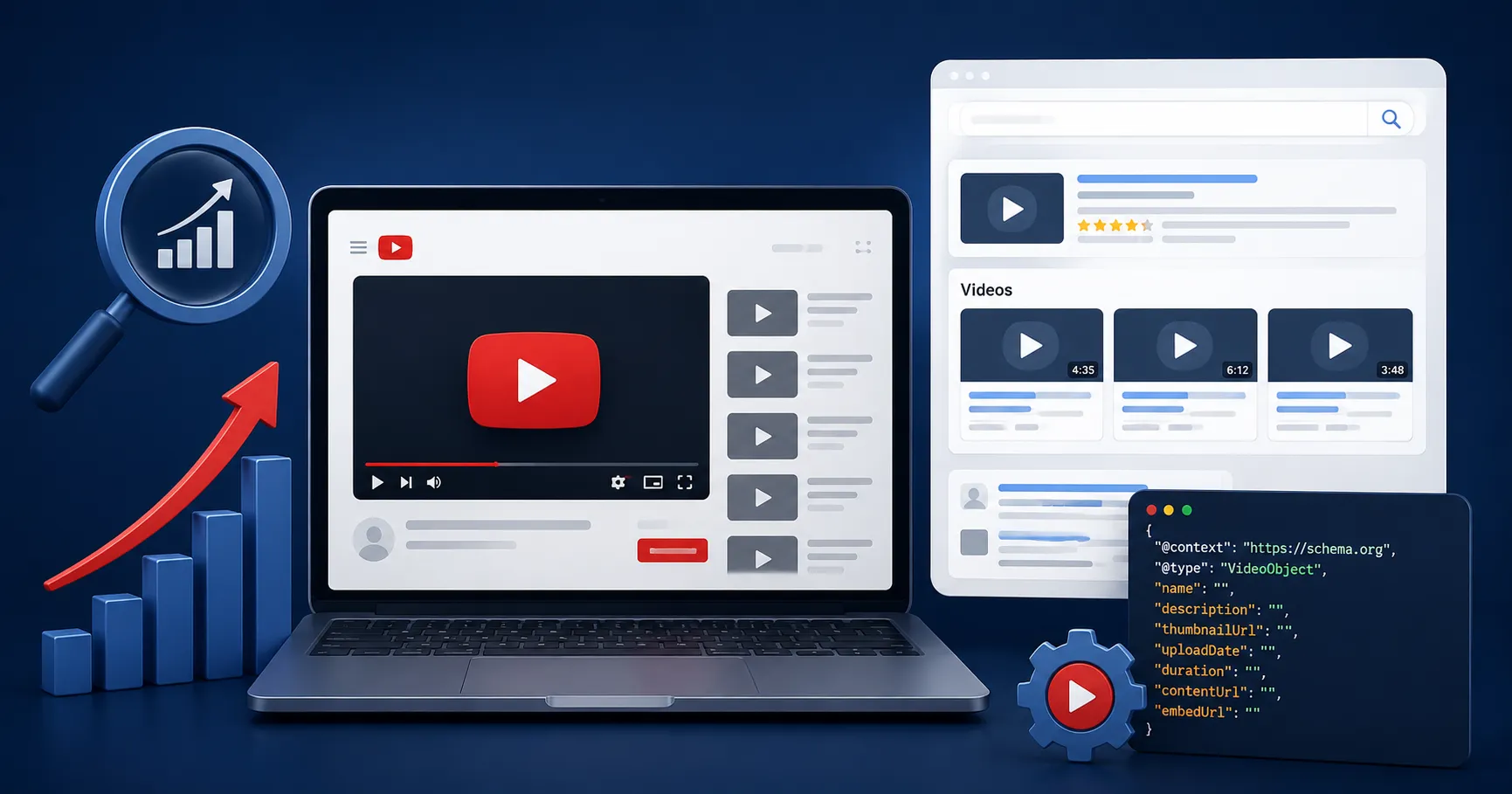
Video SEO Guide: Rank on YouTube and in Google Video Results
Video content now surfaces in Google's AI Overviews, featured snippet positions, and dedicated video carousel results. Covers end-to-end video SEO: YouTube keyword strategy, title and description optimisation, transcript-based on-page integration, VideoObject schema, and embedding strategies that earn traffic from both Google and YouTube simultaneously.
Read the full guide →Which Guide Should You Read First?
Match your current SEO priority to the right guide. The Difficulty column reflects how much prior SEO knowledge is assumed — not how hard the tactic is to execute.
| Guide | Best For | Difficulty | Helps AI Visibility | Read Time |
|---|---|---|---|---|
| Customer Journey SEO Guide | Content teams, B2B/SaaS/e-commerce SEOs mapping organic traffic to pipeline stages | Intermediate | ✔ | 40 min |
| On-Page SEO Guide | Anyone — absolute starting point for all strategy work | Foundational | ✔ | 35 min |
| E-E-A-T & Brand Authority | Sites in YMYL niches, personal brands, agencies building client trust | Intermediate | ✔ | 30 min |
| Topical Authority & Pillar Pages | Content teams scaling blog output, sites stuck in ranking plateaus | Intermediate | ✔ | 32 min |
| Schema Markup Guide | Developers, technical SEOs, and anyone targeting rich results or AI Overviews | Advanced | ✔ | 28 min |
| Internal Linking Strategy | Large sites, e-commerce, content-heavy blogs with weak page-to-page equity flow | Intermediate | — | 26 min |
| Semantic SEO & Entity Optimization | SEOs targeting Knowledge Panels, AI-native search surfaces, and NLP-aligned content | Advanced | ✔ | 30 min |
| Search Intent Optimization | Pages stuck on page 2–3, content audits, any new content planning process | Foundational | ✔ | 24 min |
| Content Pruning Guide | Sites with 200+ pages, post-HCU recovery, ecommerce category bloat | Intermediate | — | 28 min |
| Video SEO Guide | YouTube creators, brands with video content, teams targeting video-rich SERPs | Intermediate | ✔ | 26 min |
| Glossary & Informational Pages Revenue Guide | Content teams and SEOs sitting on ranking glossary/informational pages that generate zero leads | Intermediate | ✔ | 26 min |
| B2B SEO Guide | B2B marketers and SaaS/services teams targeting the whole buying committee with low-volume keywords and pipeline-based reporting | Intermediate | ✔ | 14 min |
| Conversion Rate Optimization Guide 🆕 | Marketers, founders and SEOs in any business type who want more sales, leads or bookings from existing traffic, plus testing that does not put rankings at risk | Intermediate | ✔ | 36 min |
Want to check how much of this you already know? IndexCraft's technical SEO quiz is a quick way to spot gaps before you commit to a full guide.
The 6 Strategic Pillars of Organic Search in 2026
Based on implementation data from 150+ client sites and corroborated by Semrush, Ahrefs, and Google's own Search documentation, these are the six strategy levers that consistently determine whether a site ranks at scale — or stays stuck.
Intent-first content design
Every piece of content must match the dominant intent of its target query — informational, navigational, commercial, or transactional. A page optimised for the wrong intent will not rank consistently, regardless of keyword density or backlinks.
Covered in: Search Intent Optimization Guide →Topical depth, not breadth
Google's Helpful Content system rewards sites that go deep on fewer topics over those that produce shallow content across many. Documented topical clusters outperform flat blogs by 3.8× in keyword rankings, per Semrush's 2025 content research.
Source: Semrush Content Marketing Report, 2025 Covered in: Topical Authority & Pillar Pages Guide →Entity clarity and semantic structure
Search engines now parse meaning, not just keywords. Pages with clear entity signals — structured co-occurrence of related concepts, schema-backed context, and consistent nomenclature — earn significantly higher AI citation rates and Knowledge Panel eligibility. IndexCraft's AEO/SEO/GEO checklist is a quick way to spot-check this work.
Covered in: Semantic SEO & Entity Optimization Guide →Deliberate internal link architecture
Internal links are a direct mechanism for moving link equity to the pages that need it most. Sites with a structured internal linking strategy see measurably stronger rankings for secondary cluster pages — without requiring additional backlinks from external sources.
Covered in: Internal Linking Strategy Guide →Demonstrated E-E-A-T signals
Trust is evaluated at multiple levels: page, author, and domain. First-hand experience signals — author bios with verifiable credentials, original research, case studies with named outcomes — are the most durable differentiators in competitive niches, per Google's 2025 Quality Rater Guidelines update.
Covered in: E-E-A-T & Brand Authority Guide →Content quality over content volume
Publishing more is not a strategy. Sites that actively prune thin, outdated, and cannibalised content consistently recover traffic and ranking positions faster than those that simply add new pages on top of a weak archive. Quality control is as important as content production.
Avg. +23% organic sessions within 6 months — Ahrefs 2025 Covered in: Content Pruning Guide →Recommended Reading Order
New to SEO strategy? Work through the guides in this order. Experienced SEO professional with a specific problem? Jump directly to the relevant guide — each is designed to stand alone.
Frequently Asked Questions About SEO Strategy
The strategy questions that come up most often when teams are starting a new SEO programme or trying to diagnose why their existing content isn't compounding.
What is SEO strategy and how is it different from tactical SEO?
SEO strategy is the set of structural decisions made before any content is written or link is built — decisions about site architecture, topical depth, content hierarchy, entity clarity, and credibility signals. Tactical SEO covers execution (writing a title tag, building a link). Strategy determines whether that execution compounds over time. Sites with a documented, structured content strategy ranked in top-three positions 68% more often than those producing content reactively, per Semrush's State of Content Marketing Report 2025. The guides in this hub cover strategy, not just tactics.
What are the most important on-page SEO factors in 2026?
The most important on-page SEO factors in 2026 are: title tag construction (primary keyword front-loaded within 60 characters), H1 alignment with the page's primary intent, semantic keyword coverage across H2/H3 headings, content depth matching or exceeding the top-ranking pages for the target query, structured data markup for AI search eligibility, and clear author attribution for E-E-A-T signals. Keyword density is no longer a meaningful signal — topical comprehensiveness and intent match are what determine on-page relevance. If you're building an SEO programme from zero, IndexCraft's SEO for startups playbook sequences this work alongside everything else a new site needs in its first 90 days. See the On-Page SEO Guide →
What is E-E-A-T and how does it affect SEO rankings?
E-E-A-T stands for Experience, Expertise, Authoritativeness, and Trustworthiness — Google's quality framework used by human quality raters and increasingly reflected in its ranking systems. It is evaluated at the page, author, and domain level. YMYL (Your Money or Your Life) sites — health, finance, legal — face the highest E-E-A-T scrutiny. Practical signals: named author bios with verifiable credentials, original research and case studies, accurate and well-sourced information. See the E-E-A-T & Brand Authority Guide →
What is topical authority and why does it matter for SEO?
Topical authority is the degree to which Google perceives your site as a comprehensive, credible source on a given subject. Sites with documented topical cluster architecture achieved 3.8× more keyword rankings than flat content structures, per Semrush's 2025 content research. Building it requires: a pillar-and-cluster content architecture, comprehensive coverage of all sub-topics within a domain, strong internal linking between cluster pages and their pillar, and content freshness maintained over time. Topical authority is also one of the clearest differentiators between sites that recover from a core update and sites that don't — see IndexCraft's algorithm updates history for the pattern across past updates. See the Topical Authority & Pillar Pages Guide →
How does schema markup help SEO and AI search visibility?
Schema markup (structured data in JSON-LD format) enables rich results in traditional search (star ratings, FAQ accordions, product prices, HowTo steps) which improve click-through rates by 15–30%, and it directly feeds AI search systems. Google AI Overviews, Perplexity, and ChatGPT Search (which runs on the Bing index) all extract FAQPage and Article schema content when constructing AI-generated answers. Pages with FAQPage schema receive AI Overview citations 2.8× more often than equivalent pages without it, based on IndexCraft's 47-site citation study (Oct 2024 – Jan 2025). See the Schema Markup Guide 2026 →
What is content pruning and when should I do it?
Content pruning is the practice of systematically removing, consolidating, or redirecting low-quality, outdated, and cannibalised content from a site. Thin and redundant pages can suppress your strongest content by spreading crawl budget, diluting topical signals, and creating keyword cannibalisation. Sites that prune and consolidate see an average 23% increase in organic sessions within 6 months (Ahrefs Case Study Roundup, 2025). Trigger it when: your site has 200+ pages with declining traffic, after Google's Helpful Content algorithm updates, or when e-commerce category pages have thin content with near-identical variants. See the Content Pruning Guide →
What is semantic SEO and how is it different from keyword SEO?
Semantic SEO is the practice of optimising for meaning, context, and entity relationships rather than individual keywords. Google's systems now parse intent, identify entities (named people, places, products, concepts), and evaluate co-occurrence of related terms. Semantic SEO involves: building co-occurrence signals, establishing entity clarity through consistent nomenclature, linking to authoritative sources that reinforce entity context, and structuring content so NLP systems can correctly parse the page's subject matter. The practical difference: keyword SEO targets a specific phrase; semantic SEO builds the topical context that earns rankings for dozens of related queries. See the Semantic SEO & Entity Optimization Guide →
How does search intent affect SEO strategy?
Search intent — the underlying purpose of a query (informational, navigational, commercial, transactional) — determines the content format, depth, and structure Google rewards. A page optimised for the wrong intent will not rank consistently regardless of keyword targeting or backlink strength. Read intent from the SERP itself: if the top results for your target query are all comparison articles, Google has decided this is a commercial investigation query — a product page will not rank there. The same logic applies to featured snippets and People Also Ask boxes — both are strong signals of what format and depth Google expects. Audit existing pages by comparing their content format to the format of current top-ranking pages. See the Search Intent Optimization Guide →